
Excellence in Agronomy
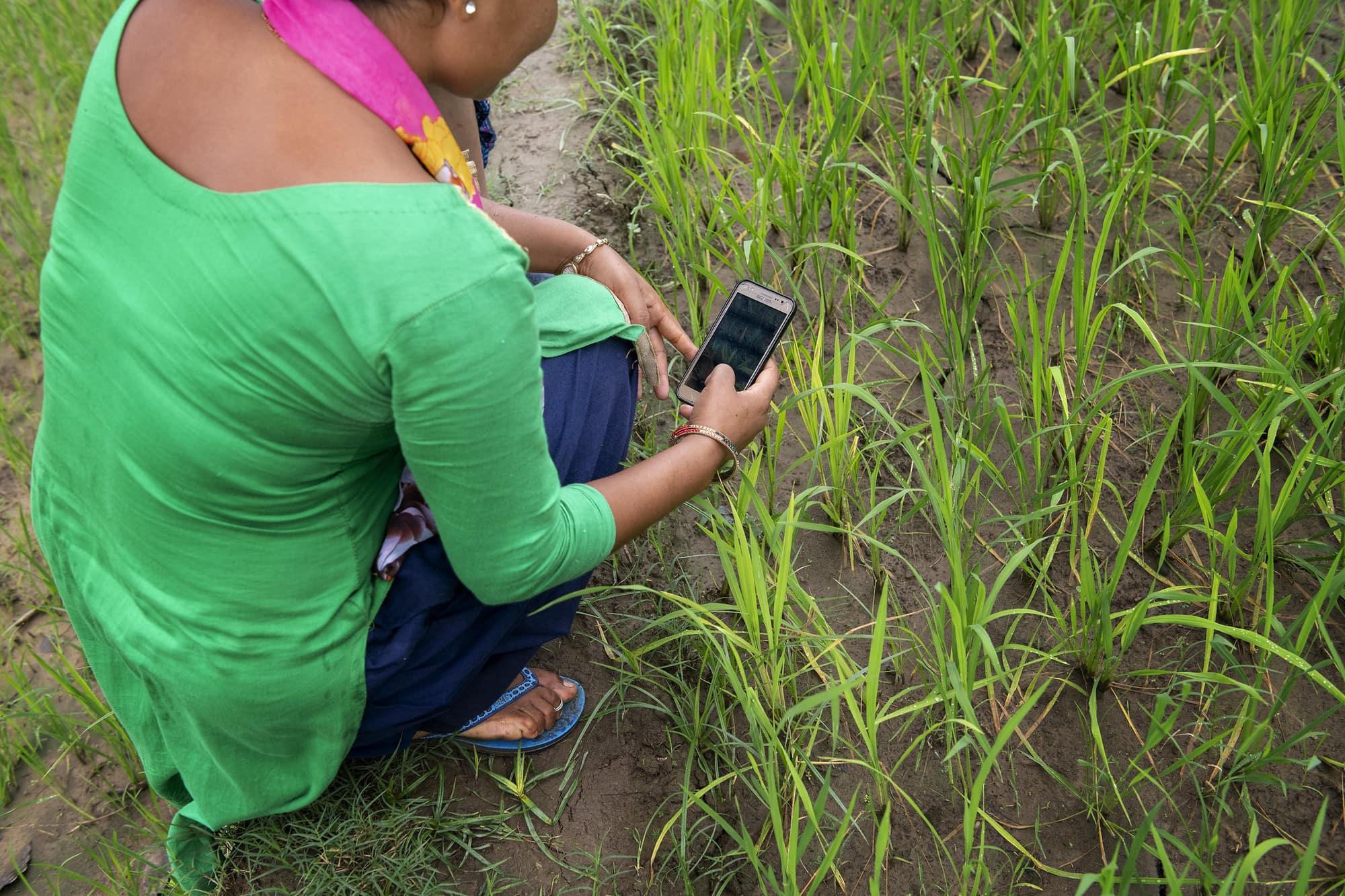
Smallholdings represent over 80% of the world’s farms, mostly located in the Global South, and supply 50% of global food. Enhanced agronomy management has a great potential to increase productivity, sustainability, efficiency and competitiveness of these smallholdings, which is characterized by low and variable yields and profitability, smallholder farming challenges include water scarcity, climate change, low resource use efficiencies and declining soil health. These result in negative impacts on food and nutrition security, equitable livelihoods and ecosystem health.
Smallholder farmers seasonally make critical agronomic decisions regarding crop choice, planting dates and pest, disease, weed, soil fertility and water management, often based on suboptimal practices and information. Traditional agronomic research enhances our understanding of basic processes, but with limited connection to stakeholder demand and often based on outdated approaches. The development, deployment and uptake of interventions is hampered by social, economic and institutional constraints, further confounded by adherence to conventional supply-driven innovation strategies.